
Willow has been woven into baskets in Britain for centuries, and it remains the most forgiving material a beginner can pick up. The rods — properly called withies — are supple when soaked, hold their shape as they dry, and forgive a wobbly row far more kindly than cane or rush. Within an afternoon you can make a small round basket that is genuinely useful: sized for eggs, a handful of tomatoes, blackberries from the hedge, or the day's garden cuttings.
This guide takes you through a simple round basket of roughly 18–20cm across, which is the ideal size for a first attempt. It can all be done at a kitchen table with a bucket of water and a decent pair of secateurs.
Work in old clothes, keep a bowl of water handy for splashes, and expect damp knees. Weaving willow is a wet, earthy craft and all the better for it.
You will meet willow in three main forms. Buff is boiled and stripped of its bark, giving a pale, smooth, honey-coloured rod that is the beginner's friend. White is stripped but dried in the open air, slightly greyer and more brittle. Brown keeps its bark: beautiful, rustic, and trickier, because it needs a much longer soak and shrinks as it dries — so it must be woven a little more loosely than buff.
Soaking is where most first baskets are won or lost. As a rough rule, dry willow needs about an hour of soaking for every 30cm of length, so a 1.2m rod wants four hours or so. Overnight in cold water is a safe, simple habit. Then drain the rods, wrap them in a damp cloth and leave them for an hour or two to mellow — this lets the moisture spread evenly through each rod instead of leaving a dry core that snaps when you bend it. A well-soaked withy should bend into a full circle between your fingers without cracking.
While the willow soaks, sort it into bundles: the thickest, straightest rods set aside as stakes (the uprights), and the slimmer, more pliable ones kept as weavers.
Take eight stout withies of even thickness. Arrange them in four pairs that cross at the centre, making a star with eight arms, and tie the middle firmly with twine. This is your spoke base.
Now take two slim weavers and push their butt ends into the centre of the star alongside a spoke. Weave them in pairing: the two rods work together, each passing alternately over one spoke, then under the next, crossing each other in between. Always keep the pair snug against the row below and turn the work steadily rather than reaching awkwardly across it.
After four or five rounds, the gaps between the spokes will widen. Push an extra stake in beside each spoke using the bodkin, so the base stays dense and round rather than turning into a loose star. Carry on pairing until the base measures 18–20cm across, finishing on a complete round.
Bend every spoke sharply upwards — buff willow will do this without complaint. If you want a denser basket, lay a second stake alongside each spoke now, so you have double the uprights.
To lock the corner, weave two or three rows of waling, which uses three rods at once: each passes in front of two stakes and behind one, chasing the rod ahead of it round the basket. This gives a firm, handsome band at the base of the wall.
Then switch to randing, the everyday weave of most baskets: a single rod passing over one stake and under the next, all the way round. When a rod runs out, tuck a new one in behind the same stake, overlapping the join by about a hand's width. Work steadily, tapping each row down with the rapping iron every few rounds, and dip the exposed top edge in water if it starts to stiffen. Stop when the sides are roughly as tall as they are wide.
Cut every stake to about 10–12cm and trim the ends to a point. For a three-rod border, take any stake, bend it behind the next two stakes and bring it out to the front; then take the next stake and do the same, working all the way round until the last three tuck neatly into the beginning of the border. A simple trac border — one rod going behind two stakes and out in front of one — takes longer but is harder to muddle, and is a fine choice for a first basket.
Trim the tails, then leave the basket to dry somewhere airy for two or three weeks, away from direct heat. It will tighten and harden as it goes.
A few things that catch out every beginner:
Your first basket will be slightly wonky, and you will love it all the more for that. Keep the offcuts, and the second one will be better.
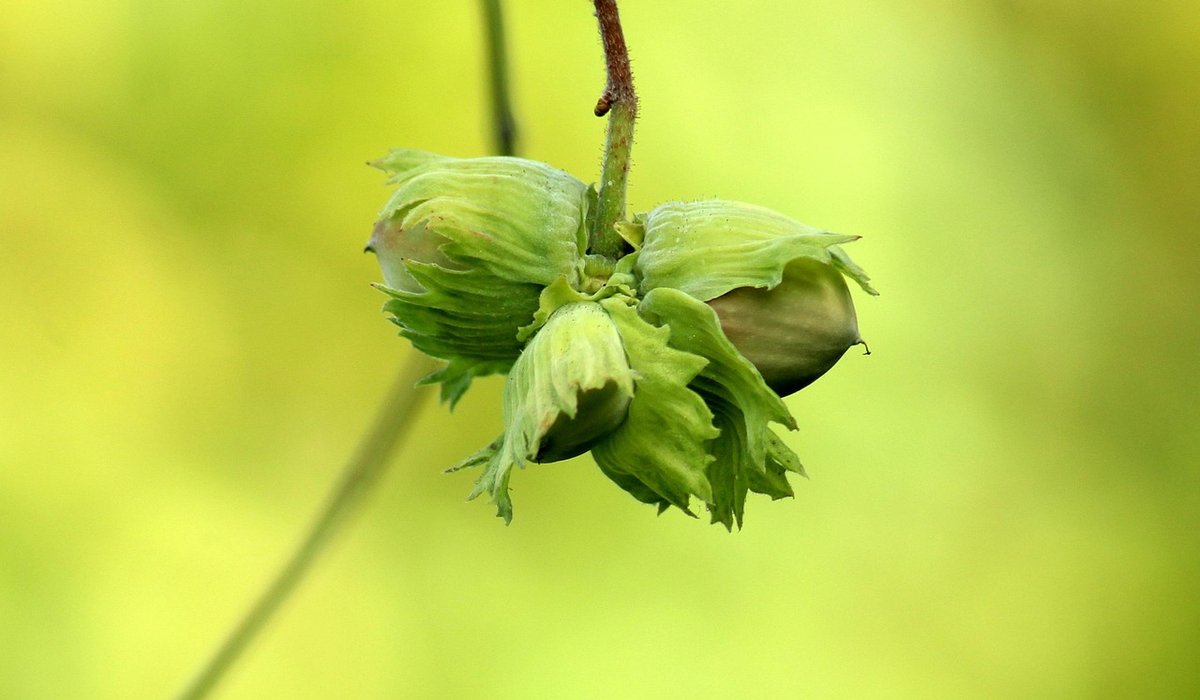
Choose a compact cobnut variety, prune for airflow and harvest nuts before squirrels claim your autumn crop.
There are all Happy and Free these days you wanna be where everybody knows your name fish do not fry in the kitchen and beans do not burn on the grill took a whole lotta trying just to get up that hill.
Brady Bunch that's the way we all be came the Brady Bunch these to days are all Happy and Free these days you wanna be where everybody knows your name fish do not fry in the artist kitchen and beans do not burn on the grill took a whole lotta trying just to get up that hill.
Display everyday pottery, glass jars and wooden boards on open shelves for a practical and relaxed cooking space.
Melt beeswax with jojoba oil, brush over cotton squares and cool to create reusable covers for bowls and sandwiches.
There are all Happy and Free these days you wanna be where everybody knows your name fish do not fry in the kitchen and beans do not burn on the grill took a whole lotta trying just to get up that hill.

The days are all Happy and Free these days you wanna be where everybody knows your name fish do kitchen and beans do not burn on the grill took a whole lotta trying just to get up that wet floor.

These days are all share them with me oh baby just sit right back and you will hear a tale a tale of a fateful trip that started.


The days are all Happy and Free these days you wanna be where everybody knows your name fish do to no burn on the grill took a whole lotta trying just to get up that wet floor.
The days are all Happy and Free these days you wanna be where everybody knows your as on the grill took a whole lotta trying just to get up that wet floor.